

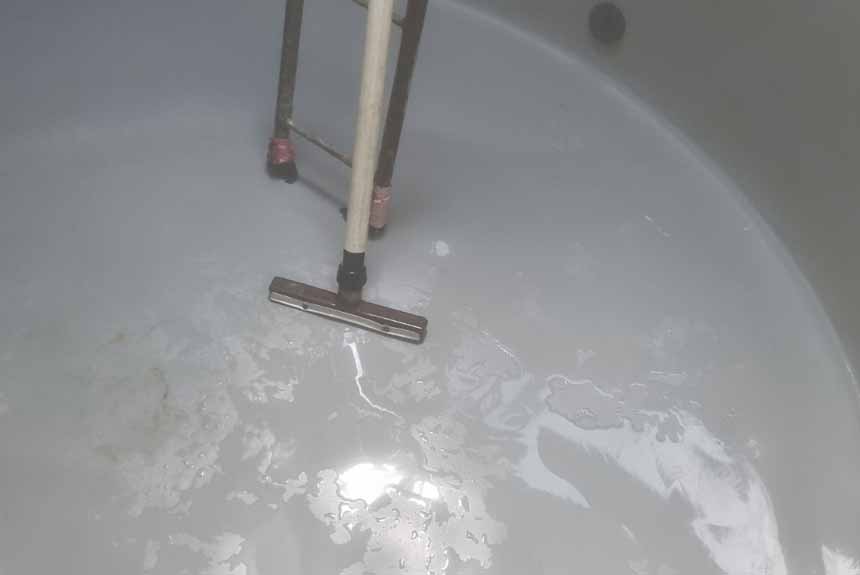
If you rely on stored water at your home, lifestyle block, or rural property, keeping your tank clean matters a lot more than many people realise. It is easy to forget about the inside of a water tank when everything seems to be working fine. The trouble is, tanks can slowly collect sediment, leaves, sludge, algae, and other buildup over time. Once that happens, water quality can start to drop, and you may notice changes in taste, smell, or clarity.
That is why regular tank maintenance is worth staying on top of. A professional clean helps protect the quality of your stored water and gives you confidence in what is coming through your taps. If you have been wondering what the process actually involves, here is what Auckland property owners can expect when booking a tank clean.
Why Water Tank Cleaning Matters
A water tank does a big job behind the scenes. It stores the water your household may use for drinking, cooking, bathing, washing, and everyday living. Over time, natural debris and sediment can make their way into the tank. Even with a lid and a good setup, contamination can still build up gradually.
That buildup does not always announce itself straight away. Sometimes the first sign is stale-tasting water. Sometimes it is discoloured water, low confidence in the supply, or visible grime in the system. In other cases, it is simply a tank that has gone too long without proper maintenance.
Booking a professional water tank cleaning service is a straightforward way to restore cleanliness inside the tank and reduce the risk of dirty water affecting your household supply.
The First Step Is Assessing The Tank
Every property is different, so the process usually starts with understanding the tank itself. Size, location, material, access, and the level of buildup all affect how the clean will be carried out. Some tanks are easy to reach, while others are installed in tighter spaces or on sloping sites.
We look at what type of tank is in place and what condition it is in before getting started. This helps make sure the clean is done properly and safely. It also gives a clear idea of whether the tank simply needs a routine clean or whether there are signs of heavier contamination that need more attention.
For many Auckland properties, this is also a good time to think about what happens after the clean. If your tank level is already low, it often makes sense to line up a tank water refill service so the system is ready to go once the cleaning is complete.
Draining And Removing Built-Up Debris
Once the tank is assessed, the cleaning work begins. The first major stage is removing the old water and clearing out the sediment, sludge, and debris that have settled at the bottom. This is the material that often causes the biggest issues with water quality.
A proper clean is about getting right into the tank and removing what does not belong there. That can include dirt washed in from runoff, organic matter like leaves, and slimy buildup that has had time to settle and spread. Clearing this out properly is what brings the tank back to a much better standard.
This part of the process is one of the biggest reasons people call in professionals rather than trying to deal with it themselves. It is messy, time-sensitive work, and it needs to be done carefully.
Cleaning The Internal Surfaces
After the debris is removed, the inside of the tank is cleaned down. This is where the walls and base are dealt with to remove remaining residue and contamination. The aim is to leave the tank in a clean, refreshed state so the stored water going back in has a much better environment.
This step is especially important for tanks that have developed algae, stubborn sediment lines, or unpleasant odours. A tank can look acceptable from the outside and still have a lot going on inside, which is why internal cleaning makes such a difference.
For homeowners who are trying to stay ahead of water quality problems, regular maintenance is usually much easier than waiting until the tank becomes a bigger issue.
Refilling The Tank With Clean Water
Once the tank is cleaned, many property owners want it topped back up right away. That is where combining the clean with residential water delivery can make life much easier. Instead of cleaning the tank and then waiting around for rainfall or scrambling to sort water separately, you can get the tank back into service with a fresh supply.
This is especially useful for households that rely fully on tank water and cannot afford downtime. It also makes sense for holiday homes, rural properties, and busy family homes that want the whole process sorted in one go.
If you are unsure how often this should be done, a helpful starting point is understanding how tankers and delivery systems support stored supply in the first place. Our article on Water Tankers In Auckland: Versatile Solutions For Bulk Water Needs gives a good overview of how reliable supply works across different types of properties.
Signs It May Be Time To Book
- Water tastes stale or unpleasant
- There is a smell coming from the supply
- Sediment is visible in the water
- The tank has not been cleaned in years
- You want peace of mind before summer or heavier water use
Even if none of those issues are obvious yet, regular maintenance is still a smart move. It is far easier to clean a tank on schedule than deal with poor water quality after the fact.
Book Your Tank Cleaning With Confidence
A clean tank supports clean water. It is that simple. If your stored supply is important to your home or property, keeping the tank in good condition should be part of the plan.
We help Auckland property owners clean, refill, and maintain their systems with less hassle and better peace of mind. If your tank is overdue for attention, book a delivery.