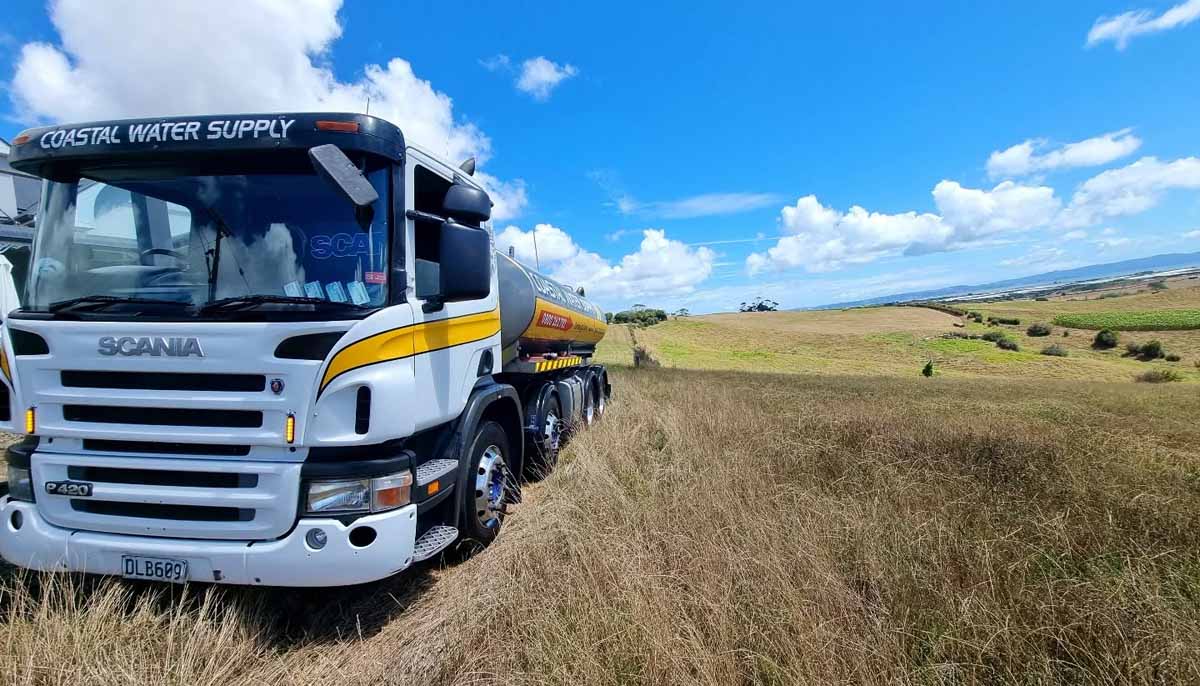
Auckland’s dams were sitting at 94% in mid August, roughly ten points above the seasonal average, and Watercare has said restrictions are unlikely this summer. Good news if your house is on town supply.
If you are on tank water, that headline has nothing to do with you.
El Niño was declared in July and has been strengthening since. The outlook for Auckland, Rodney and Franklin through spring leans dry, with below normal rainfall the most likely result. Your tank does not fill from the Hunua Ranges. It fills from whatever lands on your roof, and in a dry spring it will be doing that far less often.
Coming out of winter, your tank is about as full as it gets all year. Everything below is about protecting that head start.
Work Out How Long Your Water Will Last
The New Zealand average sits at around 180 litres per person per day, and a typical four person household will work through a 10,000 litre delivery in two to three weeks once summer arrives. Visiting family, a paddling pool and a few extra loads of washing pull that down faster than people might expect.
Start checking your level weekly instead of monthly. Our rule of thumb is to order once the tank drops to about a third. That leaves enough in reserve for us to schedule you on a sensible date rather than squeezing you in as an urgent job.
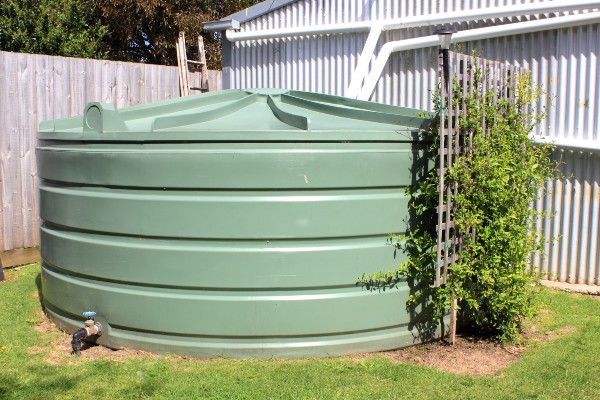
If you have never confirmed your tank capacity, look for the size stamped near the base or on the manhole lid. It changes how often you will need a top up, so it is worth knowing before December.
Why We Ask People To Book Early
Through summer we cannot give you a delivery time. We confirm the date, and the truck arrives when it arrives, because the run shifts all day as jobs are added and access problems come up. Booking in September or October means picking from an open calendar instead of taking whatever is left.
Days that are already full drop off our online booking form. If a date will not select, that is why.
Public holidays also carry a surcharge, since our drivers are on double time, so the week between Christmas and New Year is the worst possible time to find out your tank is low. Plenty of our lifestyle block and rural customers now schedule a tank water refill before Labour Weekend and stop thinking about it. If you are running a site, an event or anything at volume, our bulk water delivery covers the same regions with the same trucks.
Clean The Tank Before You Fill It, Not After
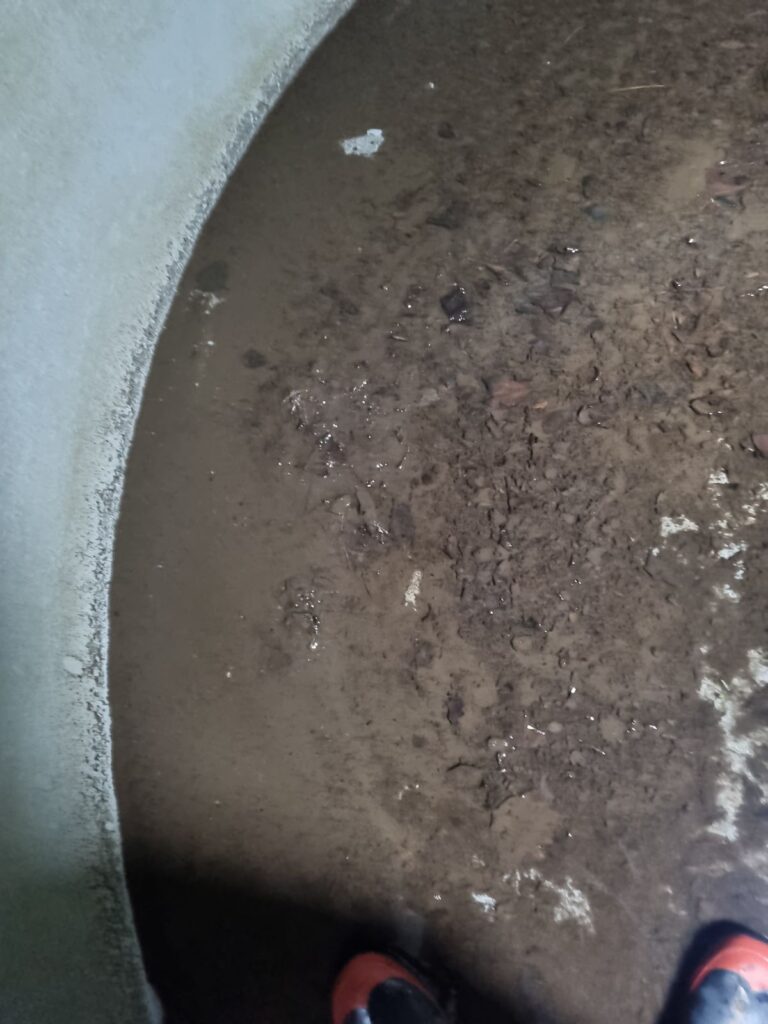
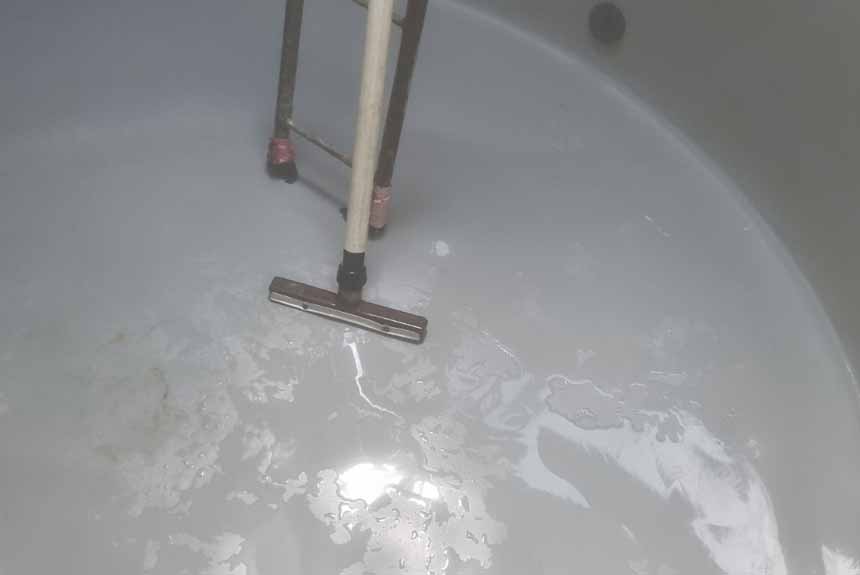
This one catches people out. Filling a tank stirs up whatever has settled on the floor and pushes it through the rest of your supply. If yours is due for attention, the sensible order is to clean it while the level is low, then bring it back up, which makes spring the natural window.
A typical residential job takes two to three hours, and we can handle the clean and the refill in one visit rather than sending two trucks on two different days. Our water tank cleaning in Auckland covers concrete, plastic and metal tanks from Rodney through to Franklin.
If you are unsure whether yours is overdue, we have written a full guide to how often a water tank needs cleaning in NZ, including the official guidance, warning signs and current costs.
The Five Minute Walk Around Your Property
Before the dry sets in, do a quick lap:
Clear the gutters and leaf screens. Winter storms fill them, and a blocked screen means the next decent rain runs straight past your tank.
Check the first flush diverter is draining properly.
Look at your driveway. We need about 2.3 metres of width, clear of overhanging branches and parked cars, on ground firm enough to carry a loaded truck. What was fine in autumn can be soft after a wet winter.
Find a flat spot near the tank for a ladder, and have a plan for the dogs on the day.
Most failed deliveries we deal with come down to access, and nearly all could have been sorted with ten minutes of notice.
If You Do Run Low
Ring us on 0800 50 44 50 and we will escalate it. Most of our tankers carry 10,000 litres and we can deliver other volumes, though smaller orders are still charged as a full load, because the cost sits in the truck and the driver’s time rather than the water.
We are a WINZ approved water carrier, so if you need a quote for Work and Income, choose that option at checkout and we will hold your booking until payment comes through. For a straightforward one off top up, our residential water delivery runs seven days a week.
Get Ahead Of A Dry Summer
A dry spring does not have to turn into a stressful January. Check your level this week, book while the calendar is open, and get the tank cleaned if it is overdue.
Enquire now or Book a Delivery and we will get you sorted before the rest of Auckland starts calling.
If your household drinks roof-collected rainwater, here is the uncomfortable truth: nobody is checking it but you.
Under the Water Services Act 2021, a stand-alone roof water supply serving a single household is not classified as a drinking water supplier. The Water Services Authority – Taumata Arowai confirms this directly in its Drinking Water Regulation Report 2024. Registered supplies cover 4.4 million of New Zealand’s 5.34 million people. The remaining 940,000 of us are on our own.
And the testing that has been done is sobering. A University of Auckland study reported in April 2026 found that two-thirds of the self-supply households it sampled had E. coli levels above safe limits – with North Auckland the worst region tested at 78%. Around 800,000 New Zealanders rely on self-supplied water. The lead researcher called the results “quite confronting” for a developed nation.
This guide covers what actually accumulates in a Kiwi water tank, what the official guidance says about cleaning frequency (it is stricter than most contractors will tell you), what a clean costs in 2026, and how to keep your water safe between cleans.
Quick answer: how often should you clean a water tank in New Zealand?
Official New Zealand guidance is annual – not “every few years”.
Inspect the tank every year and check the sludge depth (Health New Zealand – Te Whatu Ora).
Desludge annually, or as soon as sediment reaches 250 mm deep, or if it starts being drawn into the outlet (MBIE / BRANZ).
Full drain-and-scrub every five years, or immediately after contamination – a dead animal, algae, or biofilm (MBIE).
Clean straight away, regardless of schedule, if the water becomes discoloured, cloudy, or develops a taste or smell.
Most commercial cleaners in NZ recommend every two to five years. That is industry practice, not government guidance, and it is looser than what the Ministry of Health and MBIE actually publish.
Health New Zealand’s guidance sheet Water collection tanks and safe household water (HE10148) names the usual culprits: bird and animal droppings on the roof, dead animals or insects in the gutters or the tank itself, and lead flashing causing high lead levels in collected water. BRANZ adds decaying leaves, petals and pollen, droppings from possums and rats, particulates from solid fuel flues, and chemical spray drift.
The pathogens
Health NZ specifically names Cryptosporidium, Giardia, Campylobacter, Salmonella and E. coli O157 as organisms that can reach tank water via faecal contamination. These cause the gastro illnesses that quietly circulate through rural NZ households, and national surveillance backs it up. Massey University’s environmental health team reported that in 2023, 419 campylobacteriosis notifications, 90 cryptosporidiosis and 88 giardiasis notifications recorded untreated drinking water as a risk factor – and that more than two-thirds of notifications for these diseases had no risk-factor information recorded at all, meaning the real figures are higher.
Rural New Zealanders are notified with campylobacteriosis at more than double the rate of people in major urban areas.
The heavy metals – an under-appreciated problem
This is the part most tank owners have never considered. A landmark study of 125 domestic roof-collected rainwater supplies across four rural Auckland districts (Simmons et al., Water Research, 2001) found:
56% exceeded the microbiological criterion of less than 1 faecal coliform per 100 mL
14.4% exceeded the maximum acceptable value (MAV) for lead (0.01 mg/L)
17.6% exceeded at least one chemical maximum acceptable value (MAV)
Crucially, supplies with lead or galvanised iron in the roof or collection system were significantly more likely to show lead contamination – and so were supplies with a pH below 7. Acidic tank water dissolves more metal out of your roof.
Massey University research led by Dr Carol Stewart in 2017 reached the same conclusion: older roofs with lead nails and flashings produced water that “frequently exceeds New Zealand’s drinking water long-term maximum allowable level of 10 micrograms per litre”.
If your roof pre-dates the 1990s, has lead-head nails, lead flashing, or old paint, this applies to you. Cleaning the tank does not fix a leaching roof – but it does remove the metal-laden sediment that has already settled on the floor.
What the official NZ guidance actually says (and where it disagrees)
There is no single national rule for cleaning a household tank, because household tanks are not regulated. What exists is guidance from four bodies – and they do not entirely agree. Here is the full picture in one place:
Source
Document
What it recommends
Health New Zealand – Te Whatu Ora
Water collection tanks and safe household water (HE10148, 2022)
“Tanks should be inspected annually and cleaned if necessary.” Cleaning should generally be limited to removing accumulated sediment and leaf litter.
Health Promotion Agency / ESR
Household Water Supplies (HE4602, 2021)
“Cleaning should be done at least annually.” Check sludge level every 2 years; inlet and outlet screens every 3 months; clear the strainer after every storm.
MBIE / Building Performance
Collecting and using rainwater
Desludge annually via the sediment tap (about 20 minutes). Comprehensive clean every five years. Clean the first flush diverter every two months.
BRANZ / Level
Maintenance and repairs
Gutters, leaf guards and diverters every 3–6 months. Tanks checked every 6–12 months. Desludge once sediment reaches 250 mm or is drawn into the outlet.
Auckland Council
Rainwater tank maintenance
No specific interval published. Requires cleaning of pre-screening devices, filters and gutters, plus “periodic maintenance of the tank and pipework as well as internal inspections”.
How to reconcile them. The practical reading that satisfies every source: inspect and desludge every year; do a full drain-and-scrub every five years; and clean immediately if anything changes in how your water looks, tastes or smells.
If a contractor tells you every three to five years is fine and never mentions the annual inspection, they are quoting industry convention rather than the published guidance.
Seven signs your tank needs cleaning now
Do not wait for the calendar if you notice any of these:
Discoloured or cloudy water. ESR’s guidance names colour and turbidity as triggers for immediate cleaning, independent of schedule.
A musty, earthy or metallic taste or smell. Musty usually means organic decay or biofilm. Metallic often means zinc or copper leaching, especially if your water is acidic.
Visible sediment in the bottom of a glass after the tank level drops, or grit in your shower head and tap aerators.
Sludge reaching 250 mm deep when you check with a clean pole through the manhole, BRANZ’s explicit trigger point.
A dead bird, possum or rodent found in the tank or gutters. This requires a full drain-and-scrub, not a desludge. Do not simply remove the animal.
Gastro illness in the household with no other explanation. The 2001 Auckland study found households reporting gastrointestinal symptoms were over three times more likely to have Aeromonas in their water supply.
You have never cleaned it and do not know when it last was. A Massey University survey of 560 NZ dwellings found 30% had never cleaned their tank and a further 18% did not know. If that is you, start with an inspection.
You should also clean before a large tanker delivery, more on why that matters in a moment.
How much does water tank cleaning cost in NZ? (2026 prices)
Published prices from New Zealand tank cleaning operators as at 2026:
Service type
Typical price (excl. GST)
Time on site
Water retained
Standard vacuum desludge
$250 – $300
1 – 2 hours
Up to 90%
Premium vacuum + filter service
around $435
1 – 2 hours
Up to 90%
Full drain, water-blast and scrub
$365 – $535+
2 – 4 hours
None – tank is emptied
Tanks over 30,000 litres
Quoted individually
Varies
Varies
Budget $250–$550 plus GST for a standard domestic tank, with travel charged on top in rural areas. Prices climb for multiple tanks, difficult access, concrete tanks in poor condition, or a tank that has not been touched in a decade.
The real cost variable most people miss is the water itself. A full drain-and-scrub means refilling – and if it is not raining, that means a tanker. At current Auckland-region rates of roughly $300 for 10,000–12,000 litres (roughly 2.5–3 cents a litre), refilling a 25,000-litre tank from empty is a $600–$750 exercise on top of the cleaning fee.
This is exactly why vacuum desludging is the sensible default in Auckland: it removes the sludge while keeping up to 90% of your water in the tank.
Sludge is vacuumed off the tank floor through the manhole without entering or emptying the tank. Health NZ and ESR both endorse this approach, describing vacuum devices that desludge via the overflow, hose-based techniques, or pool-vacuum-style equipment.
Best for: annual maintenance, dry summers when water is precious, tanks in reasonable condition, anyone who does not want to buy a tankful of replacement water.
2. Full drain, water-blast and scrub
The tank is emptied completely, the walls and floor are water-blasted and brush-washed, sludge is removed and discharged, and the tank is refilled. Typically three to four hours.
Best for: a dead animal in the tank, visible algal growth or biofilm on the walls, a tank that has never been cleaned, a tank being brought back into service, or any confirmed contamination event. NZ operators typically recommend a deep clean every five years or so even on well-maintained tanks – consistent with MBIE’s guidance.
A note on tank entry. An enclosed water tank is a confined space. Entry carries genuine risks, oxygen depletion, falls, and structural collapse in older concrete tanks. Health New Zealand’s guidance is that professional tank cleaning contractors should ideally do this work. If you are doing it yourself, never enter a tank alone and never enter one without ventilation and someone stationed outside.
What a professional clean should include
When you book a tank clean, a competent operator should do all of the following. Use this as a checklist when comparing quotes:
Inspect the tank and lid for cracks, light ingress, insect entry points and structural issues. Light in a tank means algae.
Check and clear the inlet and outlet screens – ESR recommends this every three months regardless.
Remove sludge and sediment from the entire floor, not just under the manhole.
Clean or replace the first flush diverter, which becomes a contamination source once it fills with stagnant water.
Discharge waste responsibly, away from waterways and effluent dispersal fields.
Advise on the roof and gutters – no tank clean survives a gutter full of leaves and possum droppings.
Recommend testing if the tank was heavily contaminated.
If a quote does not mention the screens, the diverter, or where the sludge is going, ask.
Every one of these steps is included as standard when we clean a tank anywhere in Rodney, Auckland or Franklin.
Testing your water after a clean
Cleaning removes what has accumulated. Testing tells you whether the water is actually safe to drink.
Use an IANZ-accredited laboratory. This is the standard Taumata Arowai applies to registered supplies under General Rule G8 – samples must be analysed by a laboratory accredited by IANZ for the type of analysis undertaken. Hill Laboratories and Watercare Laboratory Services are both IANZ-accredited. A DIY sampling kit analysed by an accredited lab is not the same as a supermarket test strip.
What it costs
E. coli only: from around $64 for a sampling kit and lab analysis
Full household panel (microbiology including E. coli, basic chemistry, and metals/minerals): around $250 excl. GST, results in about 7 business days
Given lead exceeded the MAV in 14.4% of Auckland tank supplies tested, the full panel including metals is worth the extra outlay at least once – particularly on an older roof.
How often to test
ESR’s guidance is direct: “For peace of mind home-owners should consider undertaking microbial testing every three months and chemical testing every year.” Test additionally after heavy rainfall following a long dry spell, whenever the system is altered, and when there is a pregnant person, an infant or an immunocompromised person in the household.
If a test comes back positive
Health New Zealand’s advice is unambiguous: “Boiling the water for one minute. Boiling is the simplest and most effective method to reliably kill Cryptosporidium parasites and other germs.” Boil while you arrange a clean and address the source – filters and UV units do not fix a contaminated tank, and a UV unit will not work properly on turbid water in the first place.
Preventing contamination between cleans
The Massey survey of 560 NZ dwellings found that 52% had no physical protection measures at all on their rainwater system. Only 6% had a first flush diverter. These are the cheapest wins available to a tank owner.
Gutters and screens
Clear gutters and leaf guards every three to six months (BRANZ), and clear the strainer after every significant storm (ESR). Cut back overhanging branches – they deliver leaves, and they deliver the birds and possums that produce droppings.
First flush diverters
A first flush diverter discards the initial, dirtiest run-off before it reaches the tank. It is the single highest-value addition to most NZ systems.
Sizing guidance genuinely conflicts, so here are both figures:
BRANZ / Level: 20 litres per 100 m² of roof for minimal pollution; 50 litres per 100 m² for heavy pollution.
Stan Abbott, Roof Water Harvesting Centre, Massey University: divert the equivalent of 2 mm of rain across the roof area, and at least 25 litres – which on a 100 m² roof works out roughly ten times BRANZ’s minimal-pollution figure.
Err toward the larger volume if your roof is under trees, near a road, or you have just come out of a dry spell. As Abbott notes, “the longer the dry period in between rainfall events, the greater will be the amount of pollutants deposited on the roof surfaces” – which makes the first rain after an Auckland summer the dirtiest water your tank will see all year.
Clean the diverter every two months (MBIE). An un-emptied diverter full of stagnant water is a contamination source, not a barrier.
Roof and materials
Auckland Council states plainly: “Your roof, flashings and gutters must not contain lead or lead paint. This can dissolve and contaminate your water supply.” Any new roofing or plumbing product in contact with drinking water should comply with AS/NZS 4020:2018. Keep the tank opaque and all openings sealed and screened, light causes algae, gaps admit insects and vermin.
Topping up with tanker water: what to check
If you are buying water, after a clean, during a dry summer, or to fill a pool, the carrier matters. Unlike your household tank, water carriers are regulated.
Under Taumata Arowai’s Drinking Water Quality Assurance Rules, a registered water carrier must:
Rule WC1, source all transported water from a registered drinking water supply that is safe to drink and complies with the Drinking Water Standards.
Rule WC2, take water only from a point in the distribution system prescribed by the supplier. In Auckland that means Watercare’s approved tanker filling stations, of which there are 12 across Rodney, Waitākere, the North Shore, Franklin and Manukau.
Rule WC4 & WC5, use tanks dedicated exclusively to drinking water, kept clean and clear of contaminants with all openings and connections sealed.
Rule WC6, disinfect any tanker unused for 30 days or more, by filling with drinking water containing at least 5 mg/L free available chlorine for no less than 30 minutes.
Rule WC7, use backflow prevention or air gaps.
Rule WC8, provide a delivery statement recording the fill date and time, the source, the delivery details and the carrier’s registration.
Three questions worth asking any water carrier:
What is your Taumata Arowai registration, and which registered supply do you fill from?
Are your tankers dedicated to drinking water only, or shared with other liquids?
Will I get a delivery statement?
A carrier who cannot answer these is not one you want filling a tank you drink from.
Essential Bulk Liquids operates dedicated potable water tankers and supplies from registered sources across Rodney, Auckland and Franklin. [[ACTION: add “Our Taumata Arowai water carrier registration is XXXXX.” here]]
Why you should desludge before a big delivery, not after
This is the detail almost nobody mentions. Filling a tank stirs it up. As Stan Abbott of Massey University’s Roof Water Harvesting Centre puts it, transfer from the supplying vehicle “must be done in a manner that does not cause undue agitation of any sediment on the bottom of the tank”, and he concedes “it may be difficult to prevent stirring up settled sludge when filling rainwater tanks.”
A 10,000-litre delivery into a tank with 200 mm of sludge on the floor will resuspend that sludge through your entire supply. If your tank is low and due a clean, clean it while it is low, then fill it. You will pay for one job instead of two, and the water you buy stays clean.
Auckland tank owners: the local specifics
How much water you actually need
Auckland Council’s own figure is that an average four-person household uses more than 43,000 litres in a 60-day period – so a single 25,000-litre tank will need several top-ups across a dry summer. That works out to roughly 180 litres per person per day, meaning a family of four gets through about half a standard tank every two to three weeks.
Consents
Per Auckland Council: a building consent is required where rainwater is for indoor use or connected to internal plumbing, and installation must be carried out by a qualified, registered plumber. No building consent is needed for an outdoor-only tank sitting on the ground. Resource consent is generally not required in residential zones provided the tank is at least 10 m from a stream, 30 m from a lake and 10 m from the coastline, is not between the building frontage and the street, and is no more than 3 m high in a side or rear yard. It is always required in a Historic Heritage Overlay. On the Hauraki Gulf Islands, tanks are capped at 3 m and not permitted in front yards unless wholly below ground.
Drought and summer demand
Watercare’s position as at 2026 is that Auckland’s supply is stable with no restrictions in place. That can change: in the 2020 drought, 44 million litres were supplied from Watercare filling stations to rural Auckland, with emergency stations at 11 sites including Waiheke and Aotea/Great Barrier. If restrictions are activated, volume limits apply to residential tanker deliveries and rules kick in around filling pools. Book cleaning and top-ups early in the season rather than in February alongside everyone else.
Frequently asked questions
How often should a water tank be cleaned in NZ?
Official New Zealand guidance is to inspect the tank annually and desludge it every year, with a full drain-and-scrub every five years. Health New Zealand states tanks “should be inspected annually and cleaned if necessary”, while ESR guidance says cleaning “should be done at least annually”. Clean immediately – regardless of schedule – if the water becomes discoloured, cloudy, or develops a taste or smell.
How much does water tank cleaning cost in New Zealand?
A standard vacuum desludge costs roughly $250–$300 plus GST and takes one to two hours. A premium vacuum and filter service runs around $435 plus GST. A full drain, water-blast and scrub ranges from about $365 to $535 or more and takes two to four hours. Rural travel is usually charged on top, and tanks over 30,000 litres are quoted individually. If a full drain means refilling by tanker, budget another $300 or so per 10,000–12,000 litres.
Can I clean my water tank myself?
You can desludge a tank yourself using the sediment tap or a pool-vacuum-style device without entering it – MBIE describes this as roughly a 20-minute annual job. Entering a tank is a different matter: an enclosed tank is a confined space with real risks of oxygen depletion, falls and structural collapse. Health New Zealand’s guidance is that professional contractors should ideally carry out tank cleaning.
Is rainwater tank water safe to drink in New Zealand?
Not automatically. A study of 125 Auckland rainwater supplies found 56% exceeded the microbiological criterion for faecal coliforms and 14.4% exceeded the maximum acceptable value for lead. A 2026 University of Auckland study found two-thirds of sampled self-supply households had E. coli above safe levels, rising to 78% in North Auckland. Household tanks are not covered by the drinking water regulations, so testing is the owner’s responsibility.
How do I know if my tank needs cleaning?
Check the sludge depth through the manhole with a clean pole – BRANZ recommends desludging once sediment reaches 250 mm or is being drawn into the outlet. Other triggers are discoloured or cloudy water, a musty or metallic taste or smell, grit in tap aerators and shower heads, a dead animal in the tank or gutters, or unexplained gastro illness in the household.
Does cleaning my tank waste all my water?
Not if you choose vacuum desludging. That method removes sludge from the tank floor through the manhole without draining the tank, retaining up to 90% of your water. Only a full drain-and-scrub empties the tank, which is why it is usually reserved for contamination events or tanks that have never been cleaned.
Should I clean my tank before or after a tanker delivery?
Before. Filling a tank agitates whatever is sitting on the floor and resuspends it through the whole supply. Cleaning while the tank is low means less water to work around, one site visit instead of two, and the water you buy stays clean.
How do I know a water carrier is legitimate?
Ask for their Taumata Arowai registration and which registered drinking water supply they fill from. Registered carriers must source water from a registered supply that complies with the Drinking Water Standards (Rule WC1), fill only from prescribed points such as Watercare’s approved stations (Rule WC2), use tanks dedicated to drinking water (Rule WC4), and provide a delivery statement (Rule WC8).
How often should I test my tank water?
ESR guidance recommends microbial testing every three months and chemical testing annually. Test additionally after heavy rain following a dry spell, after any change to the system, and when there is a pregnant person, infant or immunocompromised person in the household. Use an IANZ-accredited laboratory – an E. coli test starts around $64, and a full panel including metals runs about $250 excl. GST.
Do I need a consent for a rainwater tank in Auckland?
A building consent is required if the rainwater is for indoor use or connected to internal plumbing, and a qualified registered plumber must do the installation. An outdoor-only tank sitting on the ground does not need one. Resource consent is generally not required in residential zones if setback and height rules are met, but is always required within a Historic Heritage Overlay.
Book a tank clean or a top-up in Auckland
Essential Bulk Liquids has been supplying and servicing water tanks across Rodney, Auckland and Franklin for over 20 years. We handle both halves of the job – professional water tank cleaning and the tank water refill to bring your supply back up afterwards, in one visit.
Water supply issues can show up in all kinds of ways. Sometimes it is a household tank running low after a stretch of dry weather. Sometimes it is a construction site that needs steady access to water to keep work moving. Other times it is an event, a rural property, or a commercial operation that suddenly needs a practical bulk supply solution without delay.
Across New Zealand, water trucks help bridge the gap between where water is available and where it is needed. They bring flexibility, speed, and dependable supply to situations where mains access is limited, tank storage is falling behind, or demand has climbed faster than expected. For Auckland, Rodney, and Franklin customers, that kind of support can make the difference between a small issue and a major disruption.
Water Trucks Turn Supply Problems Into Practical Solutions
One of the biggest advantages of water trucks is simple: they move water directly to the point of need. That matters when the usual supply is unreliable, unavailable, or under pressure.
For homes on stored water, a truck delivery can restore household supply before low tank levels become a real problem. For worksites, it can provide the volume needed to keep operations moving. For events, it can supply clean water where there is no permanent infrastructure in place. Instead of waiting on weather, stretching a limited connection, or trying to patch together a temporary fix, a water truck gives you a direct answer.
That is why our water truck hire service is such a useful option for customers who need a dependable setup for construction sites, commercial use, events, and other large-scale requirements.
They Help Homes Stay Supplied During Dry Periods
Many properties around New Zealand, especially rural and semi-rural ones, rely on rainwater collection and tank storage. That works well until rainfall drops off, usage rises, or tank levels fall faster than expected. Once that happens, household supply can get tight very quickly.
Water trucks help solve that issue by delivering potable water directly into tanks, giving families a reliable way to keep drinking, cooking, cleaning, and everyday routines on track. It is a practical backup when rain does not show up on time and a valuable option for households that want to stay ahead of the problem rather than wait for the taps to slow down.
Our tank water refill service is designed around that exact need. We help properties top up efficiently so they can keep their stored water systems running without the added stress of running low.
Water Trucks Support Busy Sites And Commercial Demand
Water supply challenges are not limited to homes. Construction sites, commercial properties, and project-based operations often need high volumes of water in a short timeframe. That can include water for site use, washdown, dust control, temporary facilities, or general operations.
Trying to rely on a limited supply connection for those needs can slow everything down. Water trucks solve that by delivering the right amount of water directly to the site, when it is needed. They are especially useful for projects that need flexibility, reliable timing, and a supplier that understands changing site conditions.
Our commercial water delivery service helps Auckland businesses and project teams stay supplied with clean water without disrupting the job. When timing matters, having truck-based delivery available keeps projects moving.
They Make Bulk Supply Far Easier To Manage
When demand gets bigger, water trucks become even more valuable. Large events, bigger properties, rural blocks, and commercial operations often need a supply method that can handle serious volume without becoming complicated.
That is exactly what bulk truck delivery is built for. Rather than piecing together smaller solutions or stretching an existing system too far, customers can organise a direct bulk delivery that fits the scale of the job. It is faster, cleaner, and far easier to manage when supply needs are significant.
Our bulk water delivery service is built around this kind of flexibility. If the job involves filling tanks, supporting an event, or supplying a larger property, we can organise water deliveries that match the actual demand rather than forcing customers to work around limited options.
Safe Water Still Matters
Speed is important, but so is water quality. A truck-based solution only works if customers can trust the water arriving on site.
We use potable water from approved sources and deliver it using food-grade equipment, because safe water should be part of the standard. If the delivery is for a family home, a rural property, an event, or a commercial job, customers need confidence that the water is clear, safe, and ready to use.
That balance of quality and efficiency is one of the reasons local truck-based supply continues to be such a strong option for New Zealand properties and projects.
Why Local Experience Makes A Difference
Water trucks are only as useful as the team behind them. Delivery timing, access, site layout, and volume planning all matter. Local knowledge helps a lot here. It means knowing how to respond when demand spikes, how to manage awkward access, and how to keep service practical for the customer instead of turning it into a hassle.
We work across Auckland, Rodney, and Franklin every day, so we understand the kinds of water supply issues local properties and sites run into. That gives customers a service that feels more responsive and better suited to real conditions on the ground.
Book A Practical Solution Before Supply Becomes A Bigger Problem
Water trucks solve supply challenges because they are flexible, efficient, and built for situations where water needs to move fast. Whether the issue is low household storage, a busy project, temporary site demand, or a larger bulk requirement, truck-based delivery offers a clear path forward.
If your property or project needs dependable water support, Book a Delivery or enquire with our team today. We are ready to help keep your supply moving with clean water, practical service, and local experience you can rely on.
Running low on tank water can go from minor concern to major headache very quickly. One week everything seems fine, then a stretch of dry weather, extra guests, heavier water use, or a missed rainfall window leaves you checking the tank level a lot more often than you would like. For Auckland homes, rural properties, lifestyle blocks, and businesses that rely on stored water, a dependable refill service makes a real difference.
That is exactly why efficient water tank refill services matter. When you book a refill, you want the process to be simple, the water to be clean, and the delivery to arrive when promised. You also want to know you are dealing with a team that understands local properties, access challenges, and the pressure that comes with a tank running low.
Here is what Auckland property owners can expect from a professional water tank refill service, and why so many people choose to get ahead of the problem before the taps start slowing down.
Fast Response Matters
One of the biggest things customers want from a refill service is speed. If your tank is getting low, waiting around for days can create unnecessary stress. Water is not something most households or sites can comfortably go without. It affects drinking, cooking, washing, bathrooms, cleaning, and daily routines.
We know that when someone books a refill, it is usually because they need a practical solution quickly. That is why efficiency starts with responsive service and clear communication. A good refill provider should be able to tell you what to expect, confirm access details, and organise delivery without making the process harder than it needs to be.
If your household relies on stored water full time, our tank water refill service is designed to keep supply moving with less hassle. For many Auckland properties, especially those outside the central mains network, having a refill option ready to go gives real peace of mind.
Clean, Safe Water Should Be A Given
Speed matters, but water quality matters just as much. A refill should never leave you second guessing what is going into your tank. The water needs to be suitable for household use and delivered using equipment that is maintained properly.
We supply potable water from approved sources and use food-grade tankers and hoses so customers can feel confident in the quality of what arrives on site. Whether the water is going into a family tank, a rural property setup, or a commercial storage system, clean handling is a key part of the job.
A water refill should not require endless back and forth. Most customers simply want to know how much water they need, whether the site is accessible, and how soon delivery can happen. That is why a straightforward booking process matters.
In most cases, the basics are simple. You provide your location, tank details, and access information, then the delivery is scheduled around your needs and availability. If the site has anything unusual, such as tight access, slopes, gates, or special positioning requirements, that can be worked through in advance.
Efficiency is often about small things being handled properly before the truck arrives. Good communication up front saves time later and makes the actual refill process smoother from start to finish.
It Helps To Think Ahead, Not Just React
A lot of tank refills are booked when supply is already getting uncomfortably low. While that is common, it is often better to think ahead and book before the pressure is really on. Once a tank gets close to empty, a small delay can feel much bigger.
That is why many customers now use refills as part of a more proactive plan. If summer is coming, if extra people are staying at the property, or if rainfall has been unreliable, a refill can help avoid the stress of running short at the worst possible time.
We have seen the same pattern across Auckland time and again. Properties that plan ahead usually find the whole process easier. If you want a broader look at how delivery supports households and businesses across the region, our blog on How Water Delivery Services Keep Auckland Homes and Businesses Running is worth a read.
Refill Services Often Work Best Alongside Other Support
For some properties, a refill is only one part of keeping water systems running properly. If a tank has not been maintained in years, or if water quality has started to drop, it may also be time to think about tank condition as well as tank level.
That is where related services can make a big difference. Our water tank cleaning service helps remove sludge, debris, and buildup that can affect stored water quality over time. For properties needing larger volumes or more flexible supply, bulk water delivery can also be a practical option.
This is often the difference between solving the immediate issue and improving the overall setup.
Auckland Properties Need A Service That Understands Local Conditions
Not every refill job looks the same. Some tanks are on rural blocks. Some are tucked behind homes with limited access. Some belong to busy households, while others support larger properties or light commercial use. A refill team that knows Auckland, Rodney, and Franklin is better placed to handle those differences efficiently.
Local knowledge helps with route planning, access expectations, and timing. It also means you are dealing with people who understand how quickly demand can spike after dry weather or during peak summer periods.
Book Your Refill Before It Becomes Urgent
A good water tank refill service should feel simple, reliable, and worth trusting. You should know the water is clean, the process is well organised, and the delivery team understands what is at stake if your supply runs low.
If your tank level is dropping, now is the time to act. Enquire now orBook a Delivery with Essential Bulk Liquids and keep your property supplied with safe, reliable water before low levels turn into a bigger problem.
If you rely on stored water at your home, lifestyle block, or rural property, keeping your tank clean matters a lot more than many people realise. It is easy to forget about the inside of a water tank when everything seems to be working fine. The trouble is, tanks can slowly collect sediment, leaves, sludge, algae, and other buildup over time. Once that happens, water quality can start to drop, and you may notice changes in taste, smell, or clarity.
That is why regular tank maintenance is worth staying on top of. A professional clean helps protect the quality of your stored water and gives you confidence in what is coming through your taps. If you have been wondering what the process actually involves, here is what Auckland property owners can expect when booking a tank clean.
Why Water Tank Cleaning Matters
A water tank does a big job behind the scenes. It stores the water your household may use for drinking, cooking, bathing, washing, and everyday living. Over time, natural debris and sediment can make their way into the tank. Even with a lid and a good setup, contamination can still build up gradually.
That buildup does not always announce itself straight away. Sometimes the first sign is stale-tasting water. Sometimes it is discoloured water, low confidence in the supply, or visible grime in the system. In other cases, it is simply a tank that has gone too long without proper maintenance.
Booking a professional water tank cleaning service is a straightforward way to restore cleanliness inside the tank and reduce the risk of dirty water affecting your household supply.
The First Step Is Assessing The Tank
Every property is different, so the process usually starts with understanding the tank itself. Size, location, material, access, and the level of buildup all affect how the clean will be carried out. Some tanks are easy to reach, while others are installed in tighter spaces or on sloping sites.
We look at what type of tank is in place and what condition it is in before getting started. This helps make sure the clean is done properly and safely. It also gives a clear idea of whether the tank simply needs a routine clean or whether there are signs of heavier contamination that need more attention.
For many Auckland properties, this is also a good time to think about what happens after the clean. If your tank level is already low, it often makes sense to line up a tank water refill service so the system is ready to go once the cleaning is complete.
Draining And Removing Built-Up Debris
Once the tank is assessed, the cleaning work begins. The first major stage is removing the old water and clearing out the sediment, sludge, and debris that have settled at the bottom. This is the material that often causes the biggest issues with water quality.
A proper clean is about getting right into the tank and removing what does not belong there. That can include dirt washed in from runoff, organic matter like leaves, and slimy buildup that has had time to settle and spread. Clearing this out properly is what brings the tank back to a much better standard.
This part of the process is one of the biggest reasons people call in professionals rather than trying to deal with it themselves. It is messy, time-sensitive work, and it needs to be done carefully.
Cleaning The Internal Surfaces
After the debris is removed, the inside of the tank is cleaned down. This is where the walls and base are dealt with to remove remaining residue and contamination. The aim is to leave the tank in a clean, refreshed state so the stored water going back in has a much better environment.
This step is especially important for tanks that have developed algae, stubborn sediment lines, or unpleasant odours. A tank can look acceptable from the outside and still have a lot going on inside, which is why internal cleaning makes such a difference.
For homeowners who are trying to stay ahead of water quality problems, regular maintenance is usually much easier than waiting until the tank becomes a bigger issue.
Refilling The Tank With Clean Water
Once the tank is cleaned, many property owners want it topped back up right away. That is where combining the clean with residential water delivery can make life much easier. Instead of cleaning the tank and then waiting around for rainfall or scrambling to sort water separately, you can get the tank back into service with a fresh supply.
This is especially useful for households that rely fully on tank water and cannot afford downtime. It also makes sense for holiday homes, rural properties, and busy family homes that want the whole process sorted in one go.
If you are unsure how often this should be done, a helpful starting point is understanding how tankers and delivery systems support stored supply in the first place. Our article on Water Tankers In Auckland: Versatile Solutions For Bulk Water Needs gives a good overview of how reliable supply works across different types of properties.
Signs It May Be Time To Book
Water tastes stale or unpleasant
There is a smell coming from the supply
Sediment is visible in the water
The tank has not been cleaned in years
You want peace of mind before summer or heavier water use
Even if none of those issues are obvious yet, regular maintenance is still a smart move. It is far easier to clean a tank on schedule than deal with poor water quality after the fact.
Book Your Tank Cleaning With Confidence
A clean tank supports clean water. It is that simple. If your stored supply is important to your home or property, keeping the tank in good condition should be part of the plan.
We help Auckland property owners clean, refill, and maintain their systems with less hassle and better peace of mind. If your tank is overdue for attention, book a delivery.
For many customers, the appeal is simple. You need water where you need it, when you need it, without the hassle of trying to stretch a limited supply. We help fill tanks, top up properties, support commercial jobs, and keep event sites running smoothly with fresh, safe water from approved sources. Our service is available across a wide service area, and the team is focused on getting deliveries organised quickly so customers can keep moving.
Large Events Need Reliable Water From The Start
Events can place sudden pressure on water supply. For community gatherings, school functions, sports events, private celebrations, or commercial activities, organisers often need water for drinking stations, food preparation, washdown, temporary facilities, or keeping guests comfortable throughout the day. When attendance is high, underestimating water needs can create problems fast.
Bulk delivery solves that by bringing in the volume required before the gates open. Our bulk water delivery service is a strong fit for event organisers who need a dependable supply without relying on whatever is already on site. We can help make sure your event starts with enough water on hand and stays supplied if extra demand pops up. Because we work across Auckland every day, we understand how important timing is when crews, vendors, and guests are all working to a schedule.
Busy Sites Cannot Afford Delays
Construction and commercial sites are another area where bulk water delivery makes a real difference. Projects can need water for staff, cleaning, dust control, tank filling, and general site operations. If the supply on site is limited, or the job is in a location where access to water is not straightforward, delays can affect the whole workflow.
That is where commercial water delivery comes in. We supply sites that need dependable volumes delivered efficiently, so teams can focus on the work in front of them. If additional storage is required, water tank hire in Auckland can also be a smart option for projects that need flexibility on site. It is a practical setup for temporary works, busy job stages, or sites managing changing demand from week to week.
Larger Properties Often Need Extra Support
For larger residential properties, lifestyle blocks, and rural homes, water demand can shift quickly. A full household, seasonal guests, gardening, outdoor cleaning, or a stretch of dry weather can all put pressure on stored supply. Many properties outside the central urban network rely on tanks, and once those levels start dropping, waiting for rain is not much of a plan.
Our residential water delivery service helps households stay supplied with clean potable water delivered directly to their tanks. If a property has been through a heavy-use period or is preparing for visitors, bulk delivery is an easy way to avoid running low. We also regularly help customers who need a quick refill after discovering their tank levels have fallen faster than expected. The goal is straightforward: keep the water flowing and take the pressure off the people relying on it.
Same-Day Support Makes A Difference
One of the biggest advantages of a local bulk water supplier is response time. Large-scale water needs do not always arrive with plenty of notice. A property may discover its storage is lower than expected. A site may need additional supply to keep work moving. An event team may realise final water demand is higher than planned.
We know those situations happen, which is why fast turnaround is so important. Same-day delivery availability can make the difference between a manageable issue and a major disruption. Our service is built around getting water where it needs to be as quickly as possible, while still keeping quality and communication front and centre. That local responsiveness is a major reason Auckland customers keep choosing us when timing matters.
Bulk Water Delivery Works Best With The Right Team
Choosing the right supplier is about more than litres on a truck. It is about reliability, service area, equipment, communication, and knowing the team behind the delivery understands what is at stake. We have built our service around making booking easy, keeping customers informed, and providing practical help for a wide range of situations. If you want a closer look at how tanker supply works across the region, our article on Water Tankers In Auckland is useful.When water demand is high, having the right supplier in your corner saves time, stress, and disruption. If your event, site, or property needs dependable bulk supply, we are ready to help. Enquire now or Book a Delivery today and let us keep your water supply moving.
There’s nothing like diving into a clean, cool swimming pool during a hot New Zealand summer. December marked the start of hot days, school holidays and festive gatherings, making it the perfect time to get your pool ready for action. If you’re topping up after winter or filling a brand new pool, having the right pool water on hand is essential.
That’s where Essential Bulk Liquids comes in. We offer fast, reliable potable water delivery across Auckland, ensuring your pool is safe, sparkling and ready to enjoy. Our team delivers clean, council-approved water straight to your property, using food-grade hoses and expert drivers who treat your space with care.
Below, we’ll walk you through why booking a pool water delivery now is the smart move, and how our service makes it all easy.
1. Summer’s Here & the Clock Is Ticking
Once December hits, pools go from quiet to center stage. The kids are home, guests are arriving, and warm evenings are made for splashing. But filling or topping up a pool can take hours, and if you’re relying on rainwater tanks or low-pressure hoses, it may not be possible to fill it up in time.
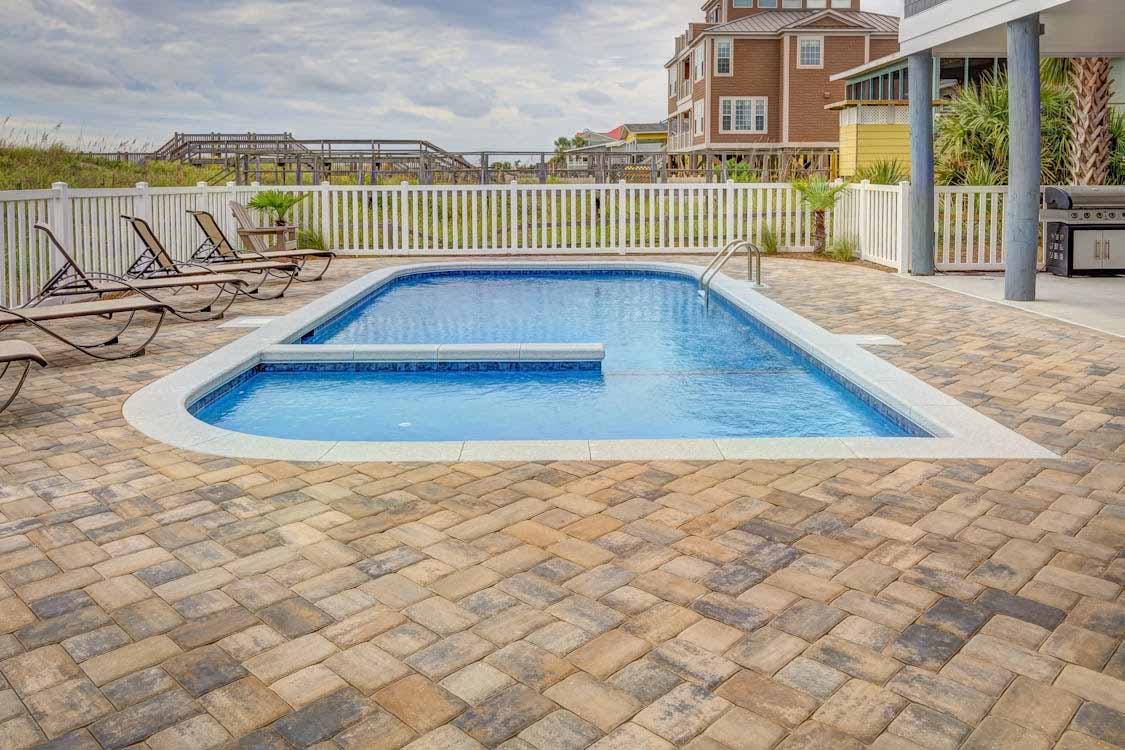
Our swimming pool water refills mean no waiting around. We arrive with thousands of litres of fresh, potable water and get the job done quickly, so your summer plans stay on track. For deep lap pools, above-ground splash zones, or built-in spas, we’ve got the right gear and volume to handle it all.
2. Clean, Safe Water: Always
When it comes to pool water, clarity isn’t the only thing that matters. It needs to be safe for swimming. Essential Bulk Liquids only uses Ministry of Health-approved sources, and every delivery is handled with hygiene and quality in mind. We use food-grade tankers, clean hoses and trained operators to keep your pool protected.
Unlike some sources, our water is suitable for direct pool filling with minimal chemical adjustment needed. This helps you get swimming sooner and with fewer surprises. Families, landlords, property managers and pool installers choose us for our trusted quality and professional service.
3. Don’t Rely on the Hose or the Rain
Many customers come to us after trying to fill their pools with a hose – only to find it takes forever or drains their household tank. In some cases, water restrictions may apply. With summer demand rising, mains pressure can also be inconsistent.
Bulk water delivery is ideal for large pools or top-ups. No strain on your existing system, and no need to pray for rain. Just clear water delivered straight to your gate.
For those in areas without access to mains, or on limited rainwater supply, we’re the smart and efficient alternative. Book now before the peak summer weeks fill up.
4. Flexible, Same-Day Delivery Options
Need water in a hurry? We’re available 7 days a week and can offer same-day delivery during summer.
It’s all about making things easy. You can even request a quote or book online. Our friendly team will confirm your details and arrange the best time for delivery.
Even if you’re not quite sure how much water you need, we’re happy to guide you based on pool size or volume. We take the guesswork out of it.
5. Supporting Holiday Homes and Rural Properties
Essential Bulk Liquids delivers right across Auckland, Rodney and Franklin, including holiday homes and rural batches. If your water access is limited or your pool’s been empty since winter, we’ll bring it back to life in time for the holidays.
If you need a temporary tank during renovations or while waiting for a permanent setup, check out our water tank hire. We’ve got everything you need to stay water-ready.
You can also take advantage of our residential water delivery service to ensure your entire household water system stays topped up over the busy summer weeks. One booking can take care of it all.
Getting your pool ready should be simple, not stressful. At Essential Bulk Liquids, we make it easy to get the water you need, when and where you need it. From quick top-ups to last-minute delivery before guests arrive, we’re ready to help!Enquire now or book your pool water delivery to beat the summer rush. Let us bring the splash to your summer!
Auckland’s water flows from nature through an extensive network of dams, rivers and aquifers. Watercare, the city’s publicly owned water utility, treats and delivers this water safely. In total, hundreds of millions of litres of treated water flow to residents and businesses each day via thousands of kilometres of pipelines and dozens of reservoirs.
But not every drop comes straight from the tap. Private delivery services step in where the network can’t reach or when demand spikes. Companies like Essential Bulk Liquids fill pools, top up rural tanks, and keep construction sites hydrated with clean, Ministry of Health-approved water.
Where Auckland’s Water Comes From
Auckland’s drinking water comes from a mix of sources:
Dams in the Waitākere and Hūnua Ranges, which capture rain and store it in forested catchments.
The Waikato River, which supplies a large portion of the region’s treated water during dry months.
Groundwater and aquifers, which supplement the supply with naturally filtered water.
Rainwater tanks are often used by rural homes and some lifestyle properties.
These sources feed into modern treatment plants, where the water is filtered, disinfected, and tested. Once treated, it’s stored in elevated reservoirs and delivered through thousands of kilometres of underground pipes to homes, schools, businesses, and industries.
Why Delivery Services Are Essential
Even with a strong piped network, Auckland regularly relies on water carriers to meet their needs. Essential Bulk Liquids plays a crucial role in making sure water gets where it’s needed. Here’s how:
Residential Tank Refills
Many homes in rural or semi-rural areas rely on rainwater collection. But when tanks run dry, families need quick, safe refills. Our Residential Water Delivery service brings treated, drinking-quality water straight to your doorstep.
Commercial & Industrial Water Supply
Construction sites, farms, car washes, and other businesses often need large volumes of water to stay productive. Commercial Water Delivery provides flexible bulk delivery for any job, no matter the scale. Whether it’s concrete mixing, dust suppression or crop irrigation, we’ve got the capacity.
Pool & Spa Filling
Filling a new pool or topping up after cleaning? Doing it with a garden hose could take days and spike your water bill. Our swimming pool water refills are quick, safe and hassle-free. Crystal-clear water delivered right to your pool.
Bulk Water for Events or Emergency Use
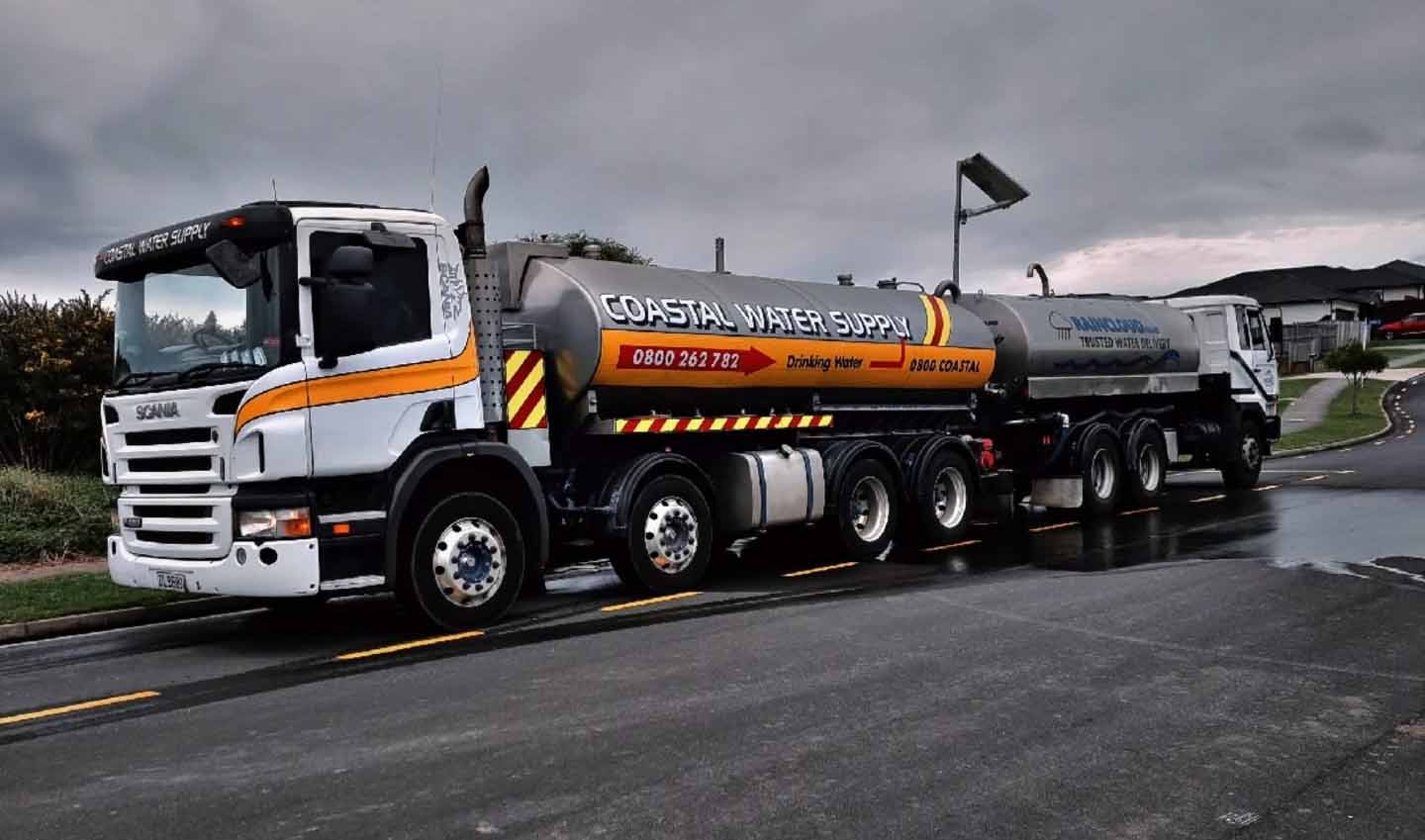
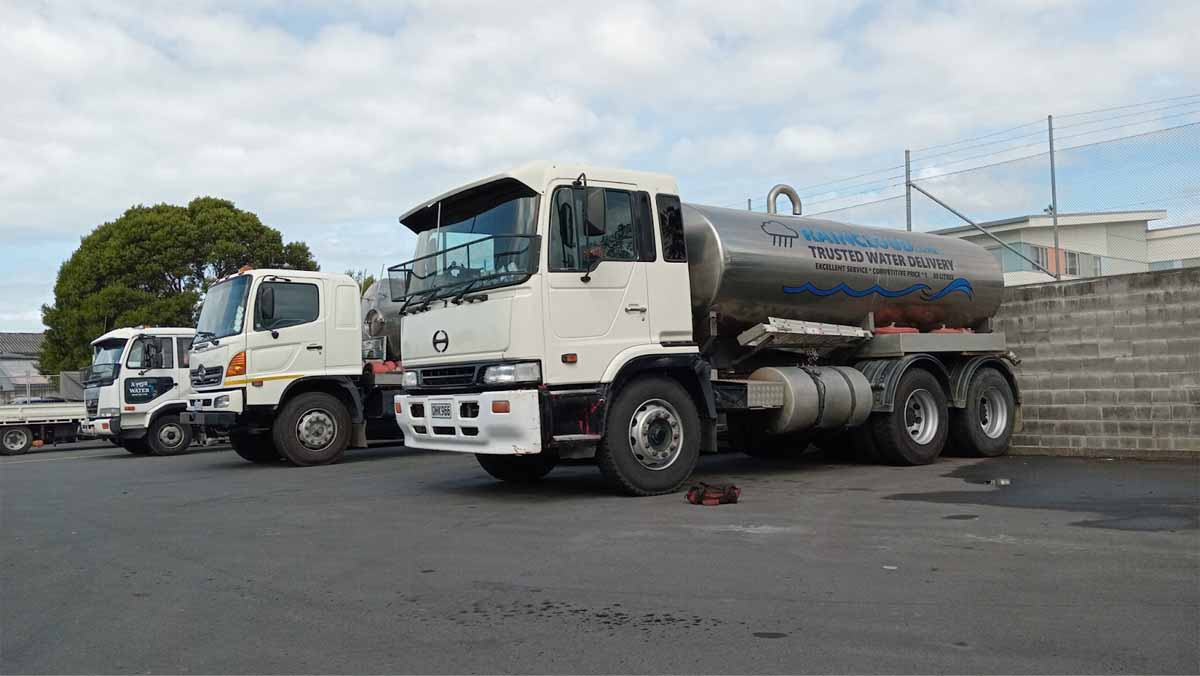
Need thousands of litres for a festival, film shoot or unexpected shortage? Our Bulk Water Delivery service ensures reliable access to high volumes without delay. With trucks holding up to 12,000 litres, we can meet even the most urgent demands.
Backing Up the System
Delivery services don’t just respond to emergencies, but they form part of Auckland’s broader water management strategy. During dry periods, water carriers supplement mains supply and help ease pressure on the network. For example, rural areas that aren’t connected to the mains often depend entirely on deliveries when rainfall is low.
In recent years, councils have supported this approach with designated filling stations for water carriers, helping ensure efficient and compliant delivery. Watercare also maintains community water sites in rural zones during severe shortages, offering another layer of resilience.
Why It Matters
Every Aucklander deserves access to clean, safe water. From tap or tanker hose, Essential Bulk Liquids helps make that happen. With years of experience, a fleet of food-grade tankers, and a team of local water pros, we’re here to keep the city hydrated.
If your home or business needs reliable water supply, we’re ready to deliver. Our friendly team operates 7 days a week, and online booking makes it easy to schedule your next refill.
Book your next delivery today and stay ahead of the dry spells.VisitEssential Bulk Liquids or call us directly to get started. Clean water, on time, every time.
Water is a necessity for every household and business. For brewing a morning cuppa, running a busy construction site or hosting a summer pool party, a steady supply of clean water keeps everything humming. Yet not every property in Auckland enjoys direct access to mains water. Rural homes, lifestyle blocks and many commercial projects rely on tanks or boreholes. Even in connected suburbs, warm, dry summers can leave water tanks empty when you need them most. That’s where delivery services come in.
Many properties around the region aren’t connected to the reticulated network. Rainwater tanks are common, and while they’re great when the heavens open, they can’t always keep up during dry spells. A large family, a garden full of thirsty plants or a surprise run of sunny days can drain a tank before the next rain arrives. Rural lifestyle blocks, farms and holiday homes are even more exposed to the weather and can’t afford to wait for a downpour.
Our drivers are fully trained and take safety seriously. We use only food‑grade tanks and hoses, and our trucks are maintained to the highest standards. We’re available seven days a week and offer flexible delivery times, so you never have to wait long for your water. Choose from a variety of payment options, including Afterpay and credit card, to suit your budget.
How Our Water Delivery Works
Booking a delivery is as straightforward as turning on a tap. Our online booking system lets you select your location, the volume of water you need and your preferred delivery date. Once your order is placed, our team springs into action to ensure your water arrives when promised. On the day, one of our drivers will park as close as possible to your tank or pool and run hoses to fill it quickly and cleanly. We can deliver water to tanks above ground, below ground or on uneven terrain. If our truck can access your property, we can get water to you.
If you’re unsure how much water you need, our friendly team can help you estimate your tank capacity and usage. We also offer emergency deliveries if you suddenly find yourself without water. Simply call us, and we’ll prioritise your delivery to get you back on your feet. There’s no need to lug heavy bottles or wait for rain.
Water needs aren’t one‑size‑fits‑all. That’s why we offer a range of services to suit every situation:
Residential Water Delivery
If your family relies on rainwater, or you simply want extra peace of mind, our residential water delivery keeps your household supplied. Our team will top up your tank with clean, safe water whenever you need it. Learn more about ourresidential water delivery services and see how easy it is to book.
Commercial Water Delivery
Businesses and construction sites often need large volumes of water at short notice. From dust suppression to concrete mixing, ourcommercial water delivery service provides the quantity and reliability you require. We work with project managers and event organisers across Auckland to ensure everything runs smoothly.
Pool Water Refills
Filling a swimming pool with a hose can take days and strain your home supply. Ourpool water refills service brings sparkling, council‑approved water straight to your pool. Installed a new pool? Need a top‑up before summer? We will have you swimming in no time.
Water Tank Hire and Refill
Hosting an event or managing a worksite that needs extra storage? We offerwater tank hire with a range of sizes to suit your needs. Our team delivers and installs the tanks, and we can refill them as required. It’s a flexible solution for temporary water storage.
Tank Cleaning and Maintenance
Clean water is only as good as the tank it’s stored in. Over time, sediment and algae can build up inside tanks, affecting taste and safety. Ourwater tank cleaning service removes debris and sanitises your tank. After the clean, we can refill your tank with fresh water so you’re ready to go.
Dust Suppression and Specialised Services
Dust can be a serious health and safety hazard on roads, construction sites and outdoor events. Using our water trucks, we provide dust suppression to keep air clear and workers safe. We also offerbulk water delivery for large‑scale needs, plus dust control solutions tailored to your site’s requirements. Whatever your water challenge, we’re ready to assist.
Get Started Today
If you’re looking for dependable water delivery Auckland services, you’ve come to the right place. Essential Bulk Liquids takes the stress out of staying hydrated. With simple booking, friendly service and pristine water, we’re committed to keeping the region flowing.
Let Essential Bulk Liquids deliver clean, reliable water to your door and keep your tanks full, your pools sparkling and your projects running smoothly. Make your booking today and experience water delivery made easy.
December in New Zealand marks the start of summer, the school holidays, and the busy festive season. With rising temperatures and plenty of activity around homes, holiday properties and worksites, water usage often skyrockets. However, tank levels drop fast when rainfall becomes unreliable and demand ramps up.
That’s where a reliable potable water delivery service like Essential Bulk Liquidssteps in. For keeping the family hydrated, topping up your pool, or prepping for Christmas, we’re here 7 days a week to keep things flowing. Below, we’ve rounded up the top five reasons our customers rely on us during December, and how we can help you do the same.
1. Beat the Heat: Stay Hydrated in Summer Conditions
Auckland’s summer heat can catch people off guard. Water tanks that seem fine in spring can empty quickly once the thermometer climbs. More showers, extra laundry, outdoor activities and thirsty guests all add up fast. Families go through more water in summer than almost any other time of year!
Our residential water delivery service brings fresh, Ministry-of-Health-approved drinking water straight to your door. If you live rurally or in a part of Auckland that’s not on the mains, we’ll refill your tank fast with clean, safe water that you can trust. We use food-grade equipment, expert drivers, and flexible scheduling to keep your household running smoothly.
Even if you’re on mains water, delivery services are a useful backup in the event of burst pipes, scheduled repairs or pressure issues. Get ahead of the heat.
Heading away for the holidays? Don’t risk coming back to an empty tank or low water pressure. Many of our customers schedule water deliveries while they’re away so their homes or holiday homes stay ready to go.
You can book our tank refill service in advance and we’ll handle the rest. Whether it’s your full-time residence or a holiday property, we deliver water with care and ensure everything’s in top shape for your return.
3. Pool Season Is Here
Few things say “Kiwi summer” like a backyard pool, but filling one can drain your home’s supply fast. Garden hoses take hours and often add to the water bill or put stress on smaller tanks. Plus, waiting around all day isn’t exactly how you want to spend a summer afternoon.
Our swimming pool water refill is designed for convenience. We’ll bring high-quality potable water in large volumes, using clean hoses and professional gear to protect your pool and water quality. It’s fast, easy, and perfect for pool parties or family fun.
4. Stay Fire-Ready in Rural Areas
Summer also brings fire risk, especially in rural or semi-rural properties. Having a full water tank on site can make a real difference if fire restrictions go into place or you’re relying on water for stock and safety. Water can also be used for sprinklers, spot dampening, or emergency containment.
Essential Bulk Liquids supports rural communities with prompt deliveries of potable water wherever it’s needed. We also offer water tank hire if you need temporary storage, and can supply tank cleaning or top-ups to keep things fresh and compliant. Preparedness now means peace of mind later.
5. Unpredictable Rainfall
Just because it rained last week doesn’t mean you’re in the clear. December often brings short, sharp downpours that don’t provide enough to refill rainwater tanks. Relying on the skies can leave you short on supply at the worst time. Add in water restrictions, and many families find themselves scrambling.
Booking a bulk water delivery gives you peace of mind. You choose when, where and how much water you need, and we’ll deliver it directly to your property. No stress, no surprises. Just clean, clear and potable water delivery that’s safe for the whole family.
At Essential Bulk Liquids, we know how important it is to keep your home, holiday base or business running smoothly during December. Our fleet operates throughout Auckland, Rodney and Franklin, delivering potable water with speed, professionalism and a smile.
Whether it’s pool season, holiday prep or fire-readiness, we’re here to help you avoid the hassle. Enquire now or book your water delivery today and beat the summer rush. We’re standing by to help keep your tank full, your pool sparkling, and your summer stress-free.